Custom metal fabrication is often evaluated by how closely the finished component matches the drawing. For assemblies that will be installed inside an industrial facility, that is only part of the job. The design also has to account for how the work will be delivered, moved into position, connected, and fitted around existing equipment and structures.
Those installation conditions can affect fabrication decisions before production begins. Assembly size, connection locations, access, critical interface dimensions, and installation sequence all influence whether a component that works well in the shop will also work well in the field.
Assembly Size Should Reflect the Installation Environment
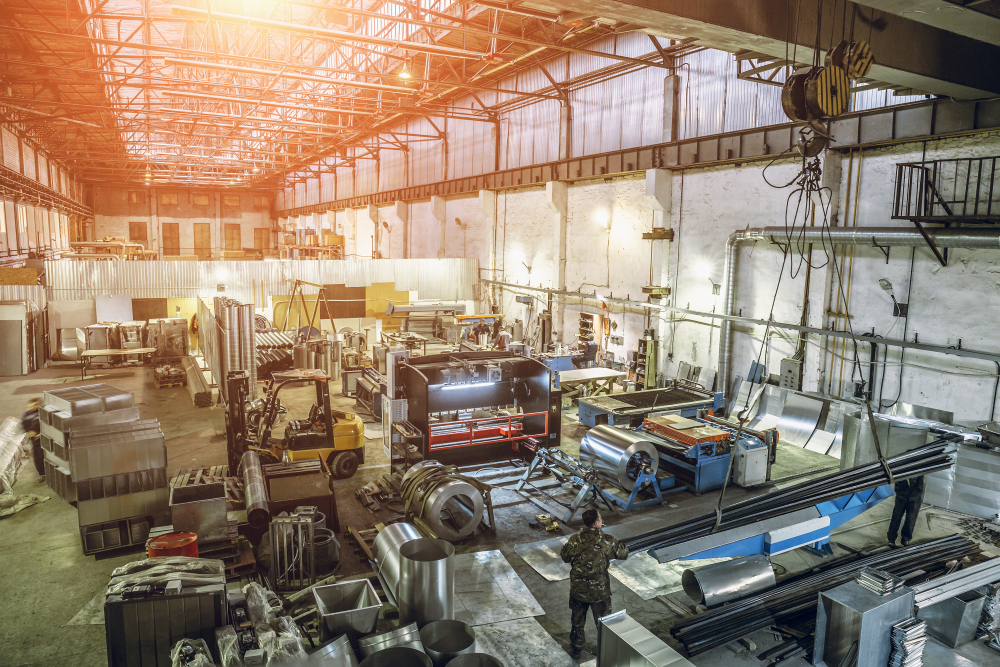
Larger shop-built assemblies can reduce field labor, but they are not always the most practical option for an industrial site. Door openings, overhead obstructions, operating equipment, utilities, structural members, and material-handling routes can all limit how a completed assembly moves through the facility.
In some cases, breaking the work into planned sections makes installation more manageable. That decision introduces its own tradeoffs, including additional field connections and more points where alignment has to be controlled. The best approach considers both shop efficiency and the conditions the installation crew will face on site.
Connection Locations Affect Field Assembly
Where an assembly is divided can be just as important as how many sections it contains. Connections have to remain accessible once the component reaches its final position, with enough working room for the required installation process.
A joint that is easy to complete on a fabrication table may be difficult to reach once the assembly is positioned between piping, equipment, walls, or structural framing. The installation sequence can also determine whether certain connections need to be completed first or left open until surrounding components are in place.
For field-assembled work, connection locations should be reviewed against the actual installation environment rather than selected only for convenience during fabrication.
Existing Interfaces Carry the Most Fit-Up Risk
Fabricated components often connect to existing equipment, foundations, structures, or other installed systems. These interfaces are usually where relatively small dimensional differences create the largest installation problems.
Before fabrication begins, the project team should identify which dimensions control alignment and where adjustment may be practical. Depending on the project, that may include:
- Existing anchor or mounting locations
- Equipment centerlines and elevations
- Structural connection points
- Clearances around utilities or adjacent machinery
- Dimensions that control fit between fabricated sections
- Areas where field adjustment is expected or acceptable
Not every dimension carries the same level of risk. Identifying the interfaces that control final fit helps focus measurement, fabrication, and inspection on the areas where accuracy matters most.
Installation Sequence Can Change the Fabrication Plan
Fabrication drawings show the finished condition, but installation happens in a specific order. That sequence can influence section size, connection type, assembly order, and whether certain components need to remain removable until later in the installation.
A support may need to be positioned before surrounding framing closes off access. One section may have to remain open until equipment is set in place. In tighter areas, the orientation used to move a component into position may also be different from its final installed orientation.
Reviewing the installation sequence before fabrication is released helps prevent the field plan from becoming an afterthought. It also gives the fabrication team an opportunity to adjust section breaks, connection locations, or assembly order while those changes are still straightforward.
What to Confirm Before Releasing Fabrication
Before an assembly moves into production, the fabrication and installation teams should be aligned on the conditions that will affect field execution. A useful review should confirm:
- How the assembly will move from the delivery point to its final location
- Whether the planned section sizes are practical for site access
- Where field connections will be made and whether they will remain accessible
- Which dimensions control fit at existing equipment or structural interfaces
- Where adjustment may be needed during installation
- The sequence in which major components need to be positioned and connected
These checks do not eliminate every field variable, but they can reduce avoidable modifications, difficult connections, and fit-up problems after fabrication is complete.
Plan for the Field Before Production Starts
A well-fabricated assembly still has to make the transition from the shop to its operating environment. Considering access, section size, connection points, critical interfaces, and installation sequence during design gives the project team more control over that transition.
JAG combines custom fabrication with industrial construction and installation services, allowing fabrication decisions to account for how components will be handled and installed in the field. That coordination can reduce avoidable fit-up issues and help the finished assembly move more smoothly from the shop into its final operating environment.