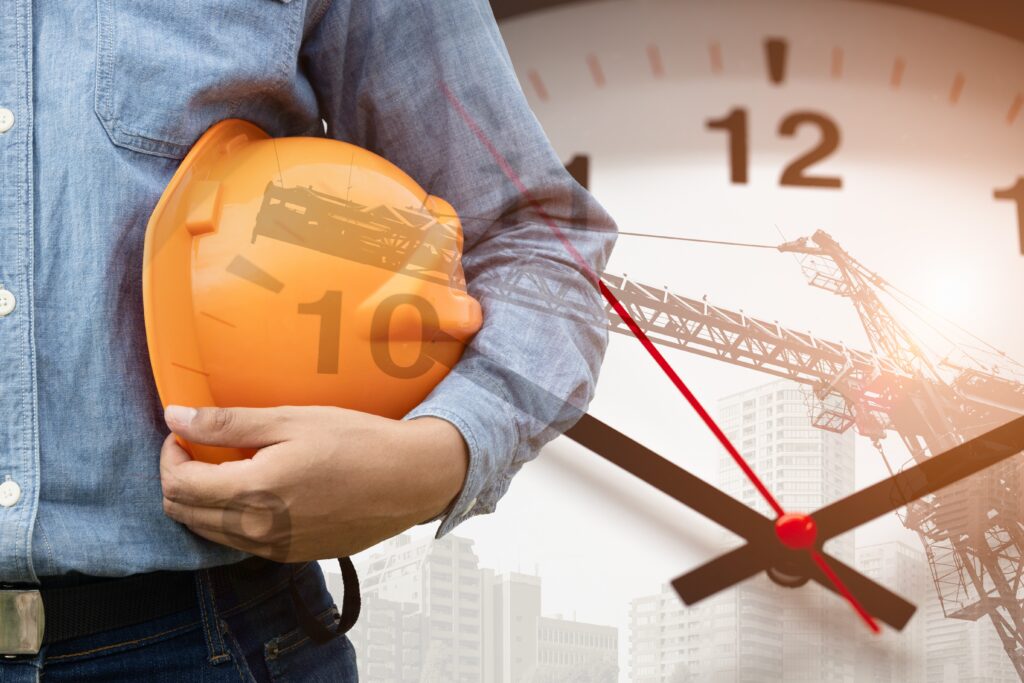
For industrial facilities, downtime is more than an inconvenience. It can affect production schedules, disrupt operations, and increase costs across the entire project. That is why construction planning in active industrial environments requires a different level of coordination.
Reducing downtime during industrial construction starts long before work begins. The most successful projects are the ones that account for operations early, communicate clearly, and sequence work in a way that supports both progress and continuity.
Start Planning Around Operations
Every facility has its own workflow, critical equipment, and production demands. Before construction begins, it is important to understand which areas must remain accessible, which systems cannot be interrupted, and where flexibility exists.
When construction plans are built around how the facility actually operates, teams can make smarter decisions about timing, access, and phasing. That early alignment helps prevent unnecessary disruptions once the project is underway.
Phase the Work Strategically
In many industrial environments, completing work in carefully planned phases is one of the most effective ways to reduce downtime. Rather than approaching the project as one large shutdown, phased construction allows certain operations to continue while work progresses in designated areas.
This often means identifying:
- Areas that can be worked on without affecting production
- Tasks that must be completed during off-hours or shutdown windows
- Sequences that reduce overlap between trades and operations
A thoughtful phasing plan helps maintain momentum while limiting the impact on day-to-day activity.
Improve Coordination Across Teams
Downtime often increases when communication breaks down between contractors, fabrication teams, facility managers, and operations staff. Industrial construction projects move more smoothly when everyone understands the schedule, site conditions, and priorities from the start.
Clear coordination helps teams stay ahead of potential conflicts, adjust quickly when needed, and avoid delays caused by missing materials, inaccessible work areas, or poorly timed installation.
Align Fabrication with Construction Schedules
When fabricated components are not ready when construction needs them, projects can slow down quickly. Aligning fabrication timelines with field schedules helps reduce waiting, rework, and installation delays.
This is especially important on industrial projects where custom metal components, structural supports, or specialty assemblies play a critical role in the overall build. When fabrication and construction are planned together, execution tends to be more efficient.
Safety Also Protects Productivity
In industrial construction, safety planning is closely tied to downtime reduction. A safer project is often a more predictable project. When access routes, work zones, and jobsite procedures are clearly defined, teams can work more efficiently and with fewer disruptions.
Protecting workers, facility staff, and ongoing operations supports both safety and schedule performance.
Reducing Downtime Takes the Right Approach
There is no single way to eliminate downtime entirely, but careful planning can reduce its impact significantly. Projects that prioritize coordination, phasing, scheduling, and operational awareness are better positioned to move forward with fewer interruptions.
At JAG Professional Services, industrial construction projects are planned with performance, safety, and facility operations in mind. The goal is to keep work moving while helping clients protect the systems and workflows they depend on every day.Planning an industrial construction project?
Request a quote or schedule a consultation to discuss your facility needs.