A metal fabrication quote reflects more than the cost of raw material and shop labor. The price is shaped by the part itself, the processes required to produce it, the level of dimensional control involved, and any work that has to happen before the component is ready for use.
Understanding those factors makes it easier to see why two quotes for the same project may differ and which parts of the scope deserve closer attention. For procurement teams, engineers, and project managers, that context can also make conversations with fabricators more productive before the work moves into production.
Drawings and Specifications Establish the Scope
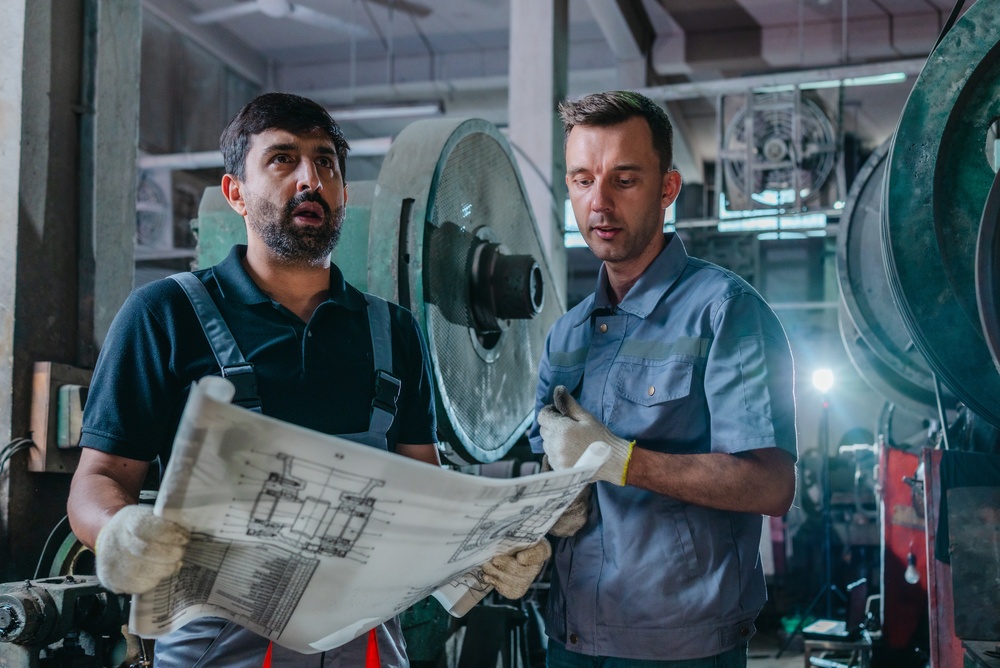
The drawing is one of the main references a fabricator uses to determine how a part should be made. Geometry, dimensions, material callouts, tolerances, weld requirements, and other specifications all help define the processes and level of control the job will require.
Current revision information is especially important when a design has changed during development. Even a small revision can affect material usage, machining, bend locations, fit-up, or inspection requirements.
Not every feature carries the same manufacturing risk, either. A mounting pattern that has to align with existing equipment may require closer control than a dimension with little effect on final fit. Understanding which features are critical helps explain why some parts require more inspection or a different production approach than others.
Material and Quantity Affect More Than Material Cost
Material selection influences how a part moves through cutting, forming, machining, and welding. Carbon steel, stainless steel, and aluminum have different fabrication characteristics, and material thickness or stock form can affect which equipment and processes are practical for the job.
Order quantity can change the production approach as well. A single replacement component may require a straightforward setup, while a larger or recurring order may justify dedicated fixturing, different material handling, or additional process controls to maintain consistency across multiple parts.
These factors help explain why quote pricing does not always scale evenly with quantity. Setup, programming, tooling, and inspection may represent a larger portion of the cost on smaller runs, while repeated production can spread some of that work across more parts.
Tolerances Can Change the Manufacturing Approach
Tolerance requirements are another major factor behind a metal fabrication quote. Tighter dimensional control may require different equipment, additional machining, more frequent inspection, or a change in the order of operations.
The important issue is whether the specified tolerance is necessary for the way the component functions. Critical hole patterns, machined surfaces, mating features, bend relationships, and equipment interfaces often need closer control than non-functional dimensions.
Overly restrictive tolerances can add production complexity without improving the finished application, while unclear tolerances can create uncertainty around fit and inspection. A well-defined drawing helps the fabricator determine where tighter control is justified and where standard fabrication tolerances are appropriate.
The Number of Processes Matters
Few industrial parts are completed in a single operation. A component may move through cutting, bending, machining, welding, and assembly before it reaches its finished condition, especially in custom fabrication projects that combine several processes.
Each step adds setup, handling, labor, and quality considerations, and the order of operations can change the production plan. A welded assembly that requires machining afterward, for example, is approached differently from individual machined parts that are assembled later.
Finishing can add outside processing, lead time, handling, and inspection requirements. A fabrication quote should therefore reflect the complete production route rather than only the cost of cutting or welding the part.
Final Use Can Influence the Quote
Where the finished component is going can also affect how it is fabricated. Parts that connect to existing equipment, arrive as larger subassemblies, or move directly into field installation may require additional attention to dimensional interfaces, handling, or assembly sequence.
A few project details can have an outsized effect on the production plan:
- Interfaces with existing equipment, structures, or other fabricated components
- Required level of shop assembly before delivery
- Size, weight, or access constraints that affect handling and installation
- Surfaces or features that need protection during transport or finishing
- Outside finishing, coating, or secondary processing requirements
- Field conditions that influence section size, connection locations, or installation sequence
This context helps the fabricator understand the finished part as part of a larger system rather than as an isolated piece of metal.
Look Beyond the Final Number
When two metal fabrication quotes differ, the reason is not always margin or material price. One supplier may be accounting for tighter inspection, additional machining, outside processing, or a more involved production sequence that another supplier has not included.
Comparing fabrication quotes effectively means looking beyond the final number. Quality requirements, technical capability, delivery expectations, inspection, and outside processing can all influence the true cost and risk of the work. NIST’s supply chain guidance also evaluates supplier performance across factors such as quality, delivery, capacity, and technical capability rather than treating price as the only measure.
Understanding what is included, what assumptions were made, and which requirements are driving cost gives buyers a clearer basis for comparing proposals and discussing alternatives when scope or budget needs to change.
A Clearer Quote Supports Better Project Decisions
A metal fabrication quote reflects the manufacturing work required to produce the component, including material, tolerances, quantity, process sequence, finishing, inspection, and final application. Understanding how those factors influence the quote makes it easier to compare proposals on a consistent basis and identify where differences in scope or production approach are affecting cost.
For an upcoming industrial fabrication project, JAG Custom Fabrication can help evaluate the project requirements and develop a quote around the work involved.