Quality in custom metal fabrication is shaped by much more than the finished appearance of a part or assembly. In industrial environments, quality affects fit, performance, durability, and how well a component holds up once it is in use. That is why strong fabrication work starts well before cutting, welding, or finishing begins. It depends on planning, precision,material selection, and consistent execution throughout the process.
Clear Specifications Set the Foundation
Quality fabrication begins with clear, accurate project information. Drawings, dimensions, tolerances, material requirements, and end-use conditions all help define what a finished component needs to do. When specifications are incomplete or unclear, the risk of delays, rework, and performance issues increases. The strongest fabrication results usually come from alignment early in the process, before production begins.
Material Selection Matters
The material chosen for a project plays a major role in long-term performance. Stainless steel, carbon steel, and other specialty metals each behave differently depending on the environment, the application, and the demands placed on the finished component.
Choosing the right material helps support:
- Strength and structural integrity
- Corrosion resistance
- Long-term durability in the field
Even a well-made part can underperform if the material is not suited to the job.
Precision During Fabrication Is Critical
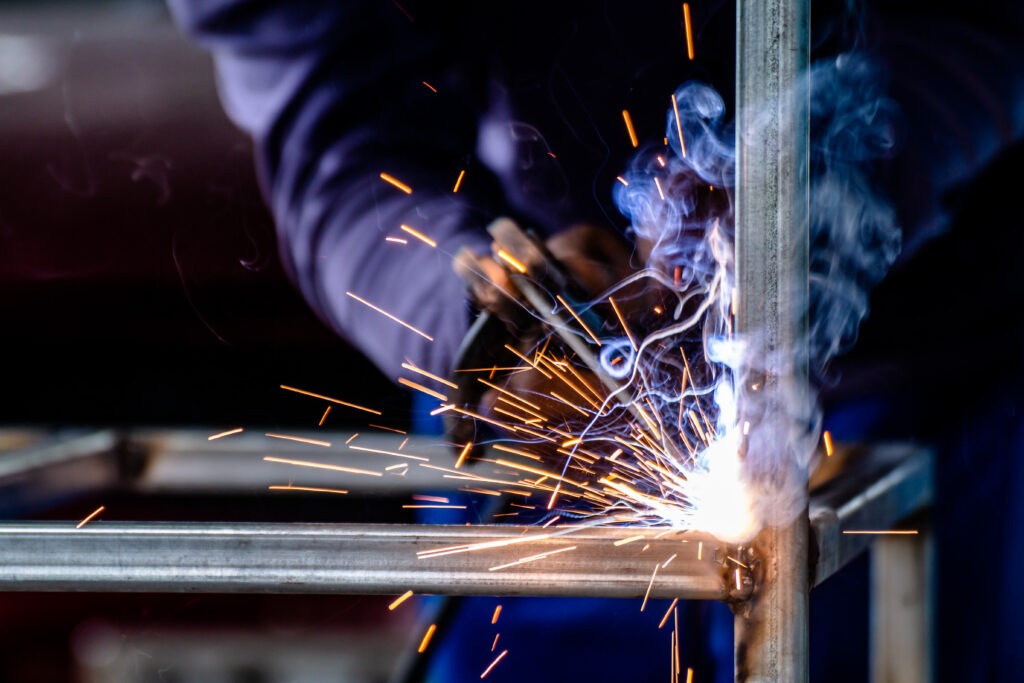
Quality depends on how consistently each step is performed. Cutting, machining, forming, welding, and finishing all affect whether a component meets specification and performs as intended. Small inconsistencies can create larger problems during installation or use. Poor fit, alignment issues, or weak welds can slow a project down and lead to additional costs later. Precision throughout fabrication helps prevent those issues before they reach the field.
Quality Control Should Happen Throughout the Process
Inspection should not be treated as a final step alone. Strong quality control happens throughout fabrication, with checks in place to confirm dimensions, weld integrity, material accuracy, and overall consistency. This is especially important for projects with tighter tolerances, structural demands, or installation requirements that leave little room for error.
Experience and Coordination Make a Difference
Quality is also influenced by the people managing the work. A fabrication team that understands industrial applications, installation conditions, and project requirements is better equipped to identify problems early and keep work on track. That coordination becomes even more important when fabrication supports a larger construction or equipment project. The better the alignment, the better the final result.
Quality Starts Long Before Delivery
In custom metal fabrication, quality is not just about how a component looks when it leaves the shop. It is about whether it performs correctly, installs smoothly, and holds up over time. At JAG Custom Fabrication, LLC, fabrication quality is guided by precision, material knowledge, and a clear understanding of how components will be used in real industrial environments. The goal is to deliver work that meets specifications and performs with confidence in the field. Need a fabrication partner for your next project?